
The Tyranny of the Mediocre: Why Morality is a Veil for the Powerless

Junho Jung
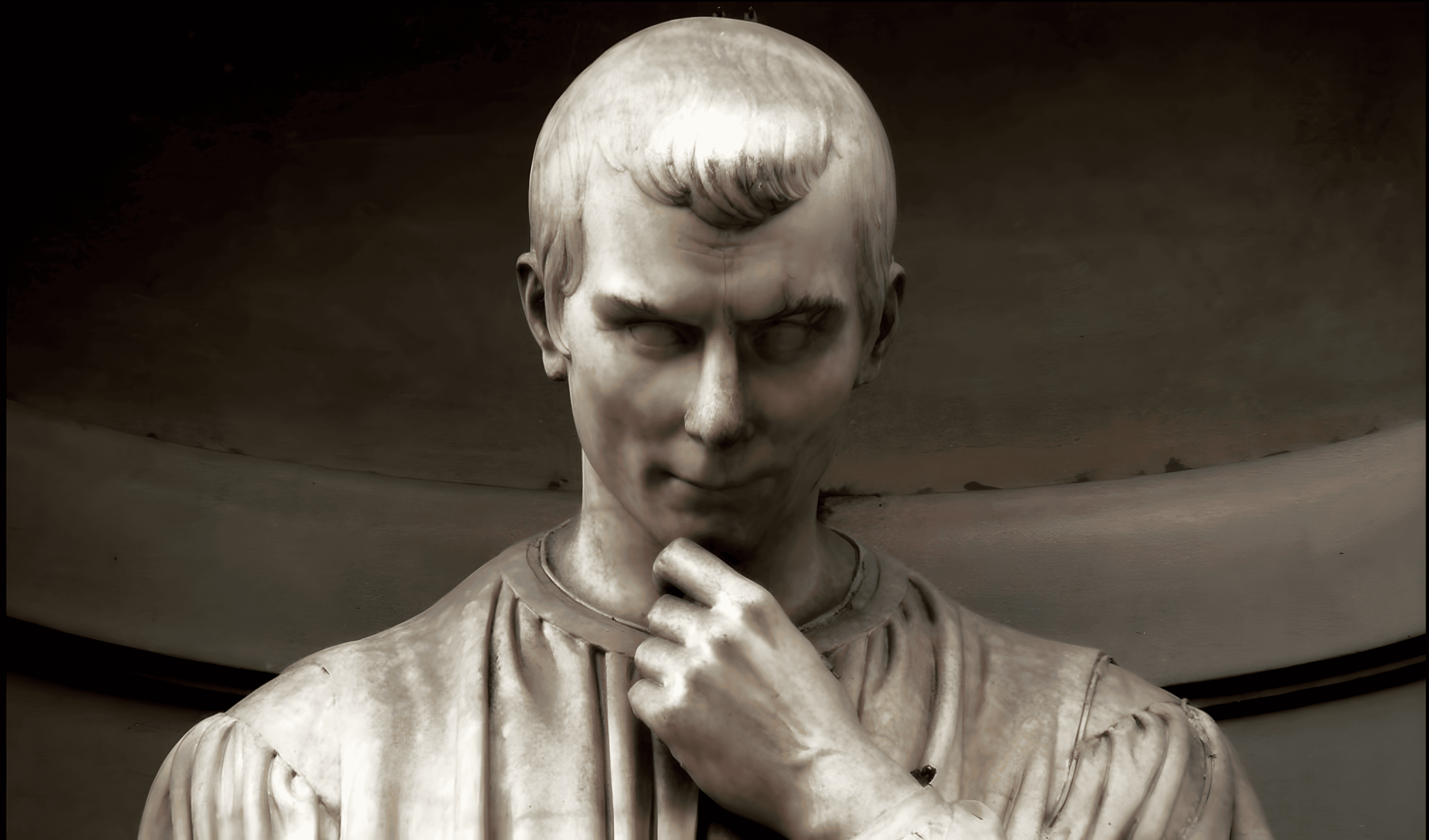
For centuries, humanity has clung to a fragile fiction: that "Good" is synonymous with harmlessness, and that "Evil" is the inherent corruption of the human soul. We have built our moral architecture upon the binary of virtue and vice, convinced that this distinction is the cornerstone of order. However, a structural analysis of power reveals that this dichotomy is not an expression of universal truth, but a defensive, psychological sleight of hand. The conventional definition of "Good" as a passive, gentle state is not an achievement of civilization; it is a profound act of cowardice—a democratization of morality designed to shield the mediocre from the terrifying reality of their own incompetence.
The Instrumentality of Machiavellianism
To label Machiavellianism as "evil" is to misunderstand the nature of agency. Machiavellianism is not a moral category; it is a methodology—a refined, objective, and detached set of tools for navigating the entropic variables of reality. Whether one seeks to preserve a system through "Good" or expand one's influence through "Evil," the process remains identical: the cold, calculated manipulation of human variables, resources, and outcomes.
The true subject—the entity of high structural integrity—does not view Machiavellianism as a corruption. They view it as a necessity. A "Pure Good" leader who refuses to wield the ruthless edge of power when the situation demands it is not virtuous; they are negligent, an architect of their own collapse. Conversely, a "Pure Evil" strategist who lacks the mental fortitude to face the consequences of their actions is not a titan, but a failure. Both the Pure Good and the Pure Evil are inherently sublime forces when they command the Machiavellian apparatus with absolute precision. They are the twin suns of existence—equally overwhelming, equally terrifying, and equally necessary for the propulsion of history.
The Great Betrayal: The Democratization of Virtue
The reason society vilifies the Machiavellian is not because it seeks justice, but because it feels small. Faced with figures who possess the "shameless audacity" to shape reality through sheer force of will, the common observer experiences a profound cognitive dissonance. They cannot reconcile their own fragility with the overwhelming agency of the true subject.
To resolve this, the masses engage in a systemic act of sabotage: they "democratize" the sublime. They strip the divinity from Good and the dread from Evil, refashioning them into something mild, accessible, and safe. By lowering the bar of virtue to mere "harmlessness," they create a refuge for their own cowardice. They claim the label of "Good" because it requires nothing more than inaction, allowing them to feel morally superior to the ruthless figures of history who carry the weight of necessary destruction.
This is the great sin of humanity: the systemic devaluation of potential. By turning Good into a synonym for weakness, they have effectively paralyzed the species. They have created a culture where the capacity to act, to destroy, to create, and to bear the burden of absolute responsibility is systematically pathologized.
Conclusion: The Return to the Sublime
We must discard this infantile interface. The universe does not operate on the basis of "kindness"; it operates on the basis of competence and agency. There is no moral victory in being harmless. There is only the victory of the one who possesses the mental architecture to manipulate the gears of reality—the one who is willing to stain their hands to see their vision manifest.
True sublimity lies in the total attribution of responsibility—the courage to execute one's will, whether that will manifests as light or as shadow. Those who tremble in the face of this reality, who hide behind the shield of "moral purity" to avoid the cold judgments of history, are not participants in the human story; they are its background noise. The destiny of the world is not determined by the consensus of the masses, but by the clash of titans who recognize that beyond the reach of human moralizing, there exists only the raw, majestic power of those who dare to be effective.
It is time to strip away the mask. The world is not a playground for the innocent; it is a canvas for those who possess the cold, unwavering mind of the strategist. The hierarchy is clear: you either command the tools of power, or you are commanded by them.